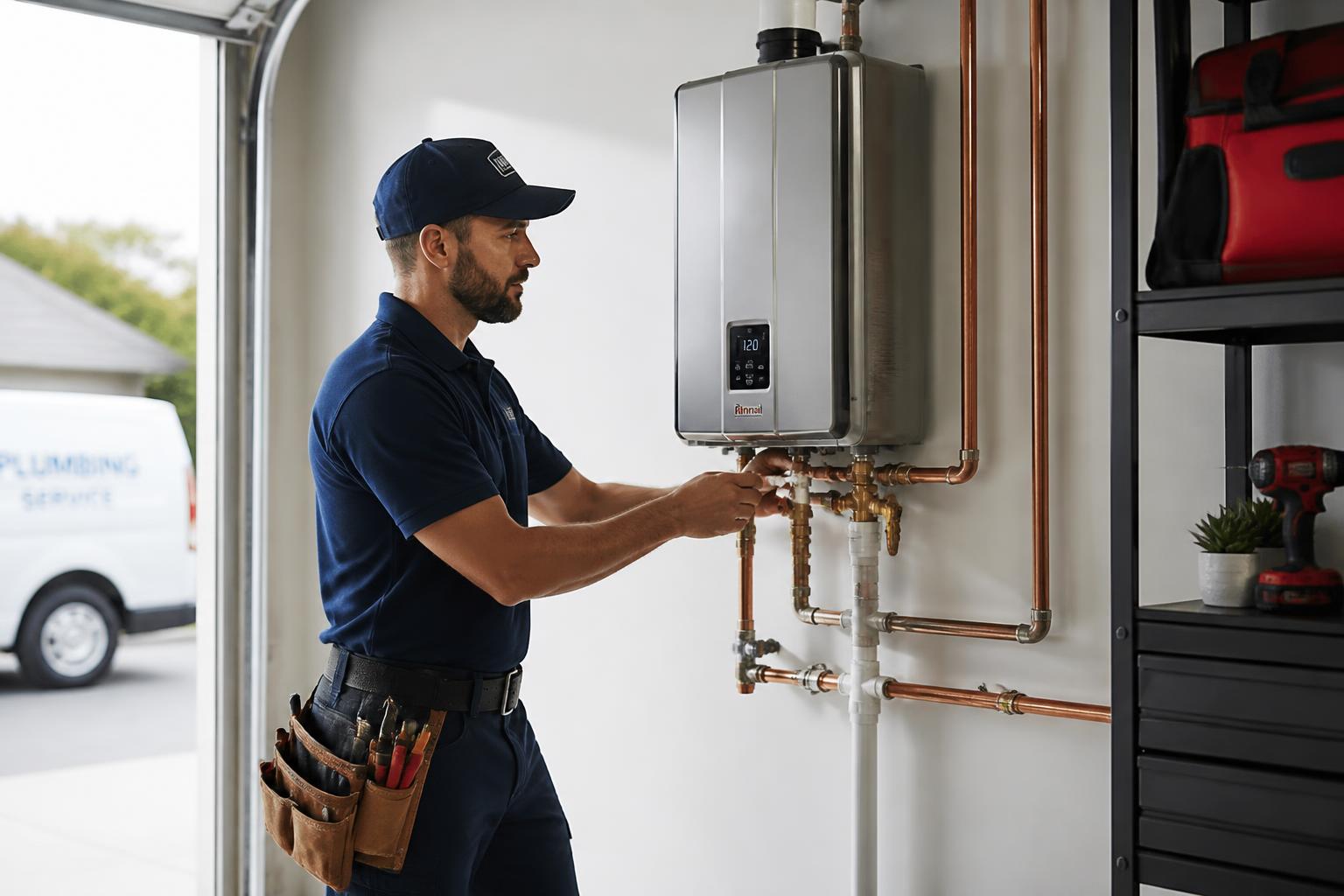
Plumbing problems escalate quietly. A dripping angle stop becomes a swollen cabinet base. A running toilet flapper adds thousands of gallons to a quarterly bill. A weeping fitting inside a wall becomes a drywall and flooring claim. Our plumbing repair work is built around finding the actual failure point, repairing to code, and then pressure testing so you know the fix held before we pack the truck.
We work on the full range of materials found in Southside Virginia homes — copper, CPVC, PEX, galvanized steel and the polybutylene still hiding in houses built in the late seventies through mid nineties. Each material fails differently and each requires the right transition fittings, which is where amateur repairs typically go wrong.
Repairs We Handle Daily
Dripping and seized shutoff valves, leaking supply lines and P-traps, failed toilet fill and flush valves, running or rocking toilets, leaking tub and shower valves and cartridges, garbage disposal replacement, hose bib and frost-free sillcock repairs, pressure-reducing valve replacement, water hammer arrestors, and repiping failing sections of galvanized or polybutylene.
Water Pressure Problems
Both high and low water pressure damage plumbing systems. Pressure above 80 PSI stresses every fitting, appliance and water heater in the house and voids many appliance warranties. Low pressure usually traces to a failing pressure-reducing valve, mineral-scaled galvanized piping, or a well system issue. We measure static and flowing pressure at multiple points rather than guessing.
Well and Rural Systems
Much of our service area is on private wells and septic. We service pressure tanks, pressure switches, expansion control, whole-house filtration and water softening, and we understand how well systems interact with tankless water heaters and high-demand fixtures. Rural plumbing is not the same as municipal plumbing, and it should not be treated the same.
Why choose J&J Mechanical?
- Licensed and insured Virginia plumbers on every call
- Repairs pressure tested before we leave the property
- Copper, PEX, CPVC, galvanized and polybutylene experience
- Upfront flat-rate pricing quoted before work begins
- Well, septic and municipal systems all serviced
Signs you should schedule service
- Water stains on ceilings, walls or cabinet floors
- A water bill that jumped with no change in usage
- Reduced pressure at one or more fixtures
- Knocking or banging pipes when a valve closes
Local experience in Crewe
Crewe sits just west of Blackstone along Route 460, and it is one of our busiest service towns outside of our home base. The town grew around the railroad, and much of the housing dates to that era — solid homes with plaster walls, tall ceilings and mechanical systems that were added long after the house was built.
That history creates a specific set of comfort challenges: retrofitted duct systems squeezed into closets and crawlspaces, uninsulated attic runs, undersized returns and older galvanized or copper plumbing nearing the end of its service life. We have worked on Crewe homes long enough to know what we will find before we open the crawlspace door.
Predominantly early-to-mid 20th century railroad-era homes with retrofit HVAC, plus mid-century ranches and manufactured homes on the outskirts. Polybutylene and galvanized plumbing are both common finds here.
Crewe shares Nottoway County's humid continental pattern: sticky summers that push cooling equipment hard and cold snaps that expose uninsulated crawlspace plumbing to freezing.